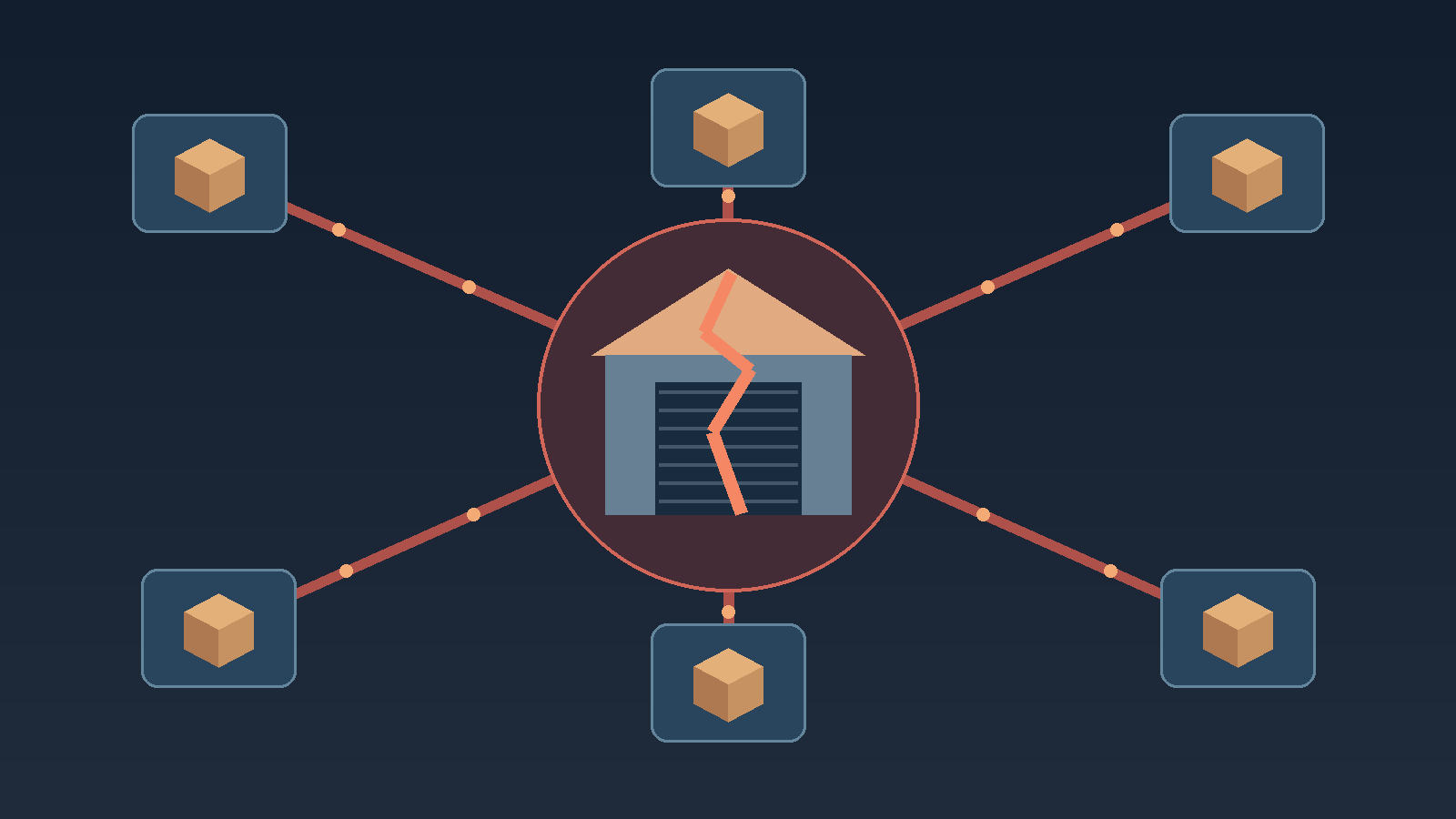
CEVA Logistics is a French freight giant: 110,000 employees, more than 1,700 facilities worldwide, part of the invisible plumbing behind European e-commerce. In early August it warned its corporate clients that someone had broken into its third-party logistics business, and the flood reached everyone else. Operations disrupted at eight European warehouses. Bol, the Dutch e-commerce platform, pulling products off sale and cancelling orders after intruders accessed two CEVA systems that handled orders for one of its distribution centers. De Bijenkorf warning customers about delayed orders, returns and refunds. Ace & Tate, Ajax’s online merchandising, and even European customers who bought Steam hardware from Valve. Names, addresses, phone numbers, emails, order numbers, tracking data, and the little messages people attach to gift cards: all potentially in unknown hands.
And CEVA itself? In the account that emerged in August, silence: no public statement, no answers to inquiries when the story was pieced together. Corporate clients were notified quietly, and the picture at the time had to be reconstructed from the victims’ own disclosures. That is the first obscenity of this story: the breached company was the one actor in the chain that had said nothing in public, while the brands it serves were left explaining to their customers why someone else’s incident was now their problem.
Valve’s account is the most instructive, and the most damning. Valve told its European customers that data tied to Steam hardware purchases may have been compromised, because CEVA handles its European shipments and can retain delivery records for up to 90 days. Unable to determine which records, if any, were actually taken, Valve notified everyone potentially affected, started informing data protection authorities, and publicly stated it was pressing CEVA for the full scope of the theft. Read that again: a customer of the logistics provider was reduced to lobbying its own supplier to find out what may have been taken from its own customers. If your incident response plan depends on pressing the vendor for answers, you do not have an incident response plan. You have hope.
As of that August account, no one had claimed responsibility, there was no confirmation of ransomware and no known ransom demand. CEVA’s air, ocean, ground and rail operations reportedly kept running. Fine. But the lesson is not about one attack; it is about the architecture. Third-party risk is the polite term we use in governance documents for a brutal reality: when you outsource logistics, you hand over your customers’ personal data, your operational continuity and your reputation to someone whose security you do not control. This is exactly the scenario that due diligence rituals are supposed to prevent: questionnaires filled in, certifications collected, audit reports framed on a wall. Then one compromised supplier, and the whole chain convulses at once, and the one link not talking is precisely the one that broke.
Every one of those retailers is now exposed to the regulatory, legal and reputational fallout of a breach that happened in someone else’s warehouse. That is the real invoice of modern outsourcing, and it never appears in the contract. Your perimeter ends at your firewall. Your responsibility does not.
Raffaele Di Marzio
All my “insane” books on cybersecurity and governance are here 👇 https://cyberium.limited/bookshelf.html