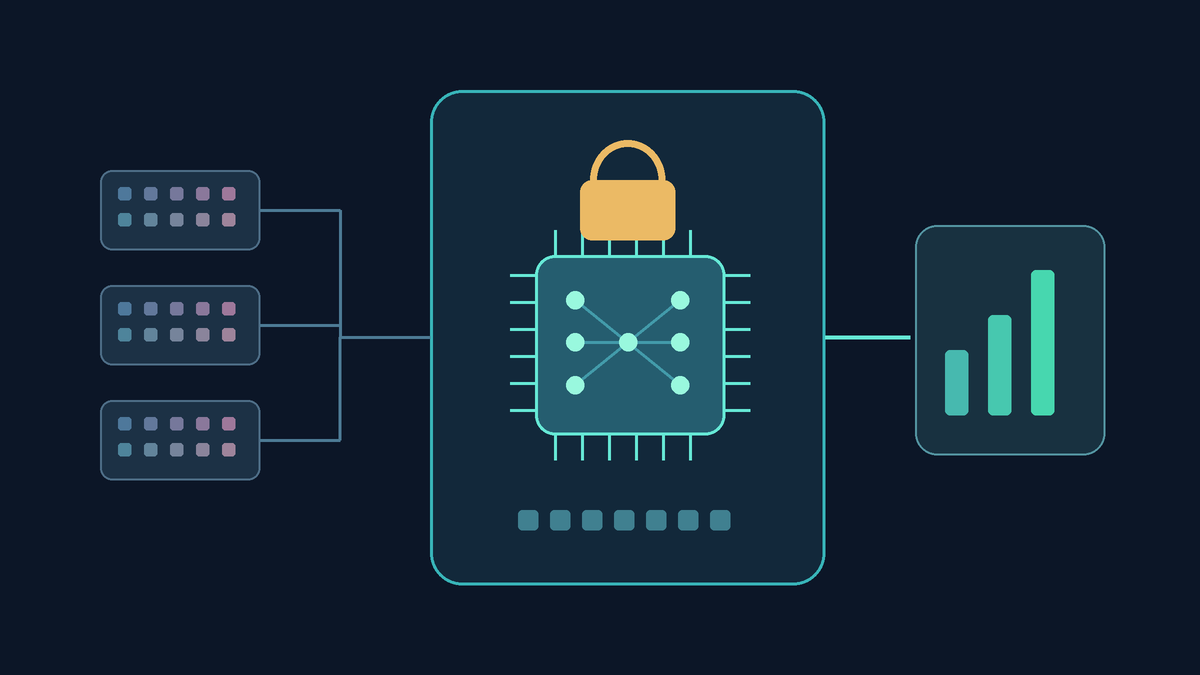
On July 27, NIST’s Technology Test and Evaluation Division announced the Artificial Intelligence Technology Evaluation program, AITE: a sequestered testbed where AI models are evaluated on blind data, meaning datasets they cannot have encountered during training. The first three tasks involve image analysis with vision language models in quantum science, genomics and public safety, with more to come. Participation runs on two tracks: data providers contribute original, proprietary datasets and receive measurements of how top models perform on them; model providers submit their systems and learn where they stand against standardized metrics and data nobody trained on. Open to anyone who signs the participation agreement.
Now pause on what this program actually admits. For years, the market has bought AI models on the strength of scores published by the very companies selling them, obtained on public benchmarks that can leak into the training material. The student grading his own exam, with the textbook open, then pinning the result on the notice board as proof of excellence. And on those self-certified grades, enterprises have signed contracts, consultants have built slide decks, boards have approved strategies worth millions.
Benchmark contamination is not an exotic edge case; it is the predictable risk of publishing your test questions on the internet and then scraping the internet to train your model. Everyone in the field knows it. When it happens, scores inflate, leaderboards reward whoever memorized the answers best, and marketing departments treat the numbers as physics. That it takes NIST, in 2026, to institutionalize a concept as elementary as “the exam uses questions you haven’t seen” tells you everything about the maturity of this market. A first-year student takes it for granted. The AI industry is getting there only now, because an inflated score has never slowed down a sale, right up until the model meets reality and reality was not in the training set.
NIST is not improvising here. This is the agency that spent decades running independent evaluations of speech recognition and biometrics, the kind of unglamorous measurement work that quietly separated functioning technology from brochures. AITE sits alongside the Center for AI Standards and Innovation, which focuses on safety and frontier model capabilities; AITE’s job is narrower and, in a sense, more subversive: measuring whether the products do what the sellers claim, on data the sellers never touched.
For anyone working in AI governance, the practical consequence is significant. Adoption decisions, risk documentation under frameworks like the AI RMF, and in Europe the accuracy assessments required by the AI Act all need something sturdier than vendor-published leaderboards. An independent evaluation on uncontaminated data is one more solid reference point, not a compliance stamp. It will not be comfortable for everyone: sequestered testing has a habit of deflating numbers that looked splendid in the press release.
So here is a modest suggestion for the next procurement meeting. When a vendor waves a benchmark score at you, ask how the model performs on data it has never sniffed. If the answer is a pointer to AITE results, take them seriously. If the answer is silence, that silence is the measurement.
Raffaele Di Marzio
All my “insane” books on cybersecurity and governance are here 👇 https://cyberium.limited/bookshelf.html